
Welcome to the world of Chicken Road, where players embark on a colorful adventure filled with engaging challenges and strategic gameplay. One crucial aspect that keeps the game thrilling and enjoyable is the balance of its mechanics. For those eager to delve deeper, Chicken Road Mechanic Balance Chicken Road game casino offers an enriching experience that caters to both entertainment and skill development.
What is Chicken Road?
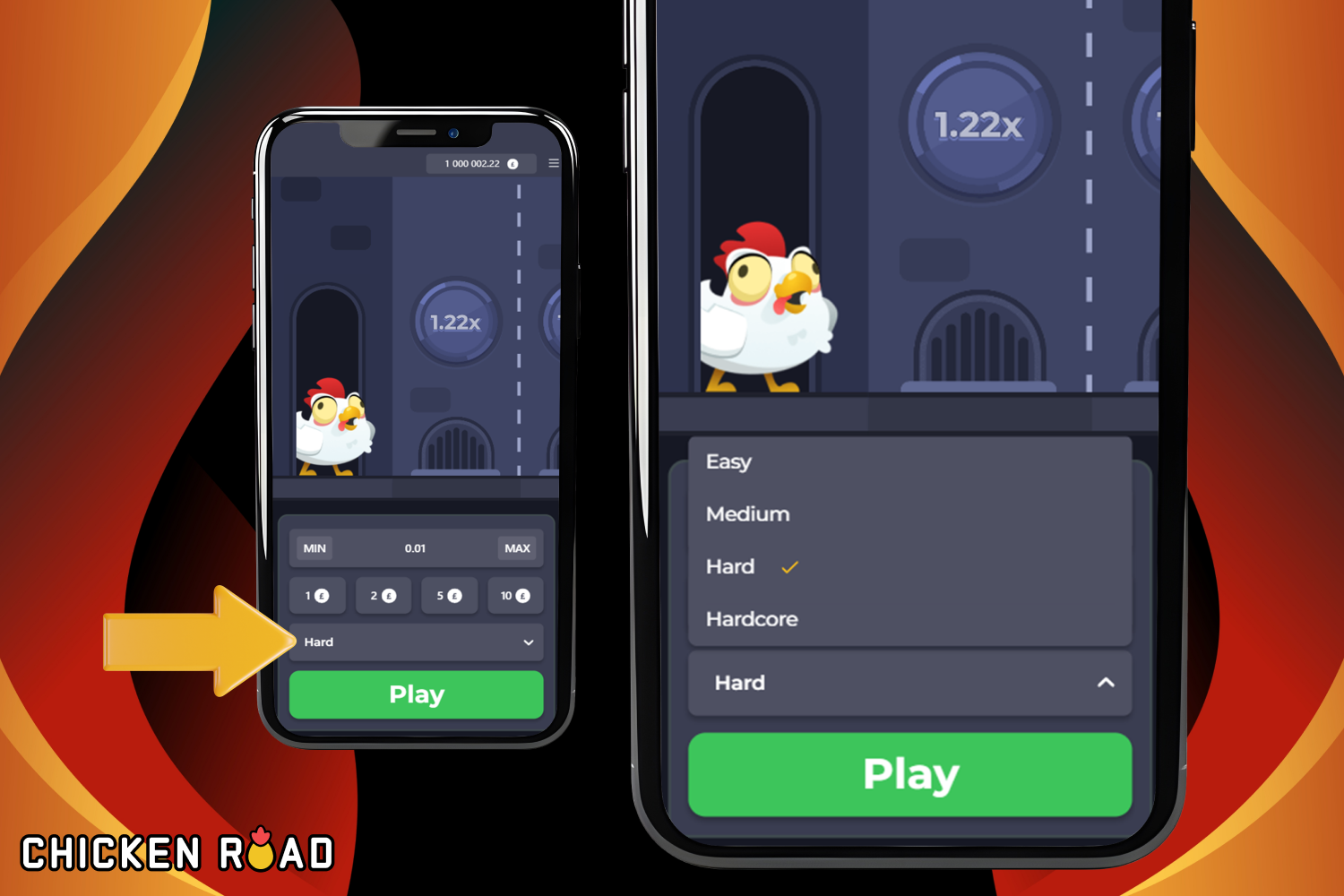
Chicken Road is a unique gaming experience that blends elements of strategy, skill, and chance. Players navigate through various levels, solving puzzles and overcoming obstacles while carefully managing resources and time. The game environment is vibrant, drawing players in with its amusing graphics and playful soundtrack, making it a delightful escape from everyday life.
The Importance of Mechanic Balance
In any game, especially one like Chicken Road, the balance of mechanics is crucial for gameplay. “Mechanic balance” refers to the equilibrium between different game elements, such as rewards, challenges, and player abilities. This balance ensures that players remain engaged and that the game does not become either too easy or overwhelmingly difficult.
Categories of Game Mechanics
To understand the balance of Chicken Road, we must first explore the categories of mechanics involved:

- Reward Systems: This includes how players earn points, bonuses, or items. A well-balanced reward system encourages continued play without making winning too effortless.
- Difficulty Levels: Difficulty should gradually increase. This allows players to build skills progressively without feeling stuck or frustrated.
- Player Interaction: Multiplayer elements can introduce cooperative or competitive mechanics that need balancing to ensure fairness and engagement.
- Resource Management: Players must manage their in-game resources strategically. Balancing the availability and utility of these resources is vital for maintaining interest and
challenge.
The Role of Feedback Loops
Another key aspect of balance in Chicken Road is the implementation of feedback loops. Feedback loops provide players with information about their performance, encouraging them to improve and adapt.
There are two types of feedback loops:
- Positive Feedback Loops: These reinforce successful strategies and reward players for effective gameplay. For example, when a player completes a level efficiently, they may receive extra points or tokens, encouraging them to continue using effective tactics.
- Negative Feedback Loops: These are designed to reduce the impact of player success, preventing runaway victories. In Chicken Road, if a player consistently wins without challenge, the game may introduce new obstacles or decrease rewards for repetitive actions.
Strategies for Achieving Balance
Players can also contribute to their understanding and mastery of the game’s mechanics through strategic thinking. Here are some strategies to consider:
- Diversification of Skills: Players should try to diversify their skill set by experimenting with various approaches to challenges. This not only keeps gameplay fresh but also helps players adapt to unexpected obstacles.
- Timing is Key: Balancing the pace of play is essential. Knowing when to take risks and when to play it safe can be the difference between success and failure.
- Collaboration: Engaging with other players can provide insights and strategies that enhance understanding of the game mechanics, promoting a more balanced gaming experience.
Common Pitfalls in Mechanic Balance
Despite best efforts, game developers may encounter challenges when striving for balance. Common pitfalls include:
- Overpowered Abilities: If certain player abilities dominate gameplay, it can lead to a stale experience. Continuous adjustments may be needed to ensure a variety of strategies remain viable.
- Resource Scarcity: If players struggle to gather enough resources, they may find themselves unable to progress or enjoy the game, leading to frustration.
- Uneven Difficulty Scaling: Abrupt changes in difficulty can alienate players. Gradual scaling, with challenging yet achievable goals, helps maintain engagement.
Community Engagement
The Chicken Road community plays a crucial role in the ongoing development and balancing of game mechanics. Feedback from players can provide valuable insights to developers, highlighting areas for improvement or adjustment. Community forums, social media, and in-game feedback mechanisms are all important channels for this communication.
Conclusion
Balancing game mechanics in Chicken Road is an ongoing process that requires attention and adaptation. By focusing on player experience through thoughtful design, ongoing feedback, and community engagement, developers can create a captivating gaming experience. Players, on the other hand, can enhance their gameplay by adopting strategies that promote skill diversification and tactical thinking. With the right balance, Chicken Road promises endless fun and challenge for players of all skill levels.